Phone a Friend, Pray for Mercy: The Most Magnificently Catastrophic Celebrity Game Show Meltdowns in British TV History
Fame is a curious thing. It convinces people — talented, successful, genuinely accomplished people — that they are, in some fundamental way, above embarrassment. And then they sit down opposite Bradley Walsh, or Jeremy Clarkson, or Anne Hegerty with her particular brand of withering patience, and the illusion shatters completely, live, in front of six million viewers.
 Photo: Jeremy Clarkson, via static.independent.co.uk
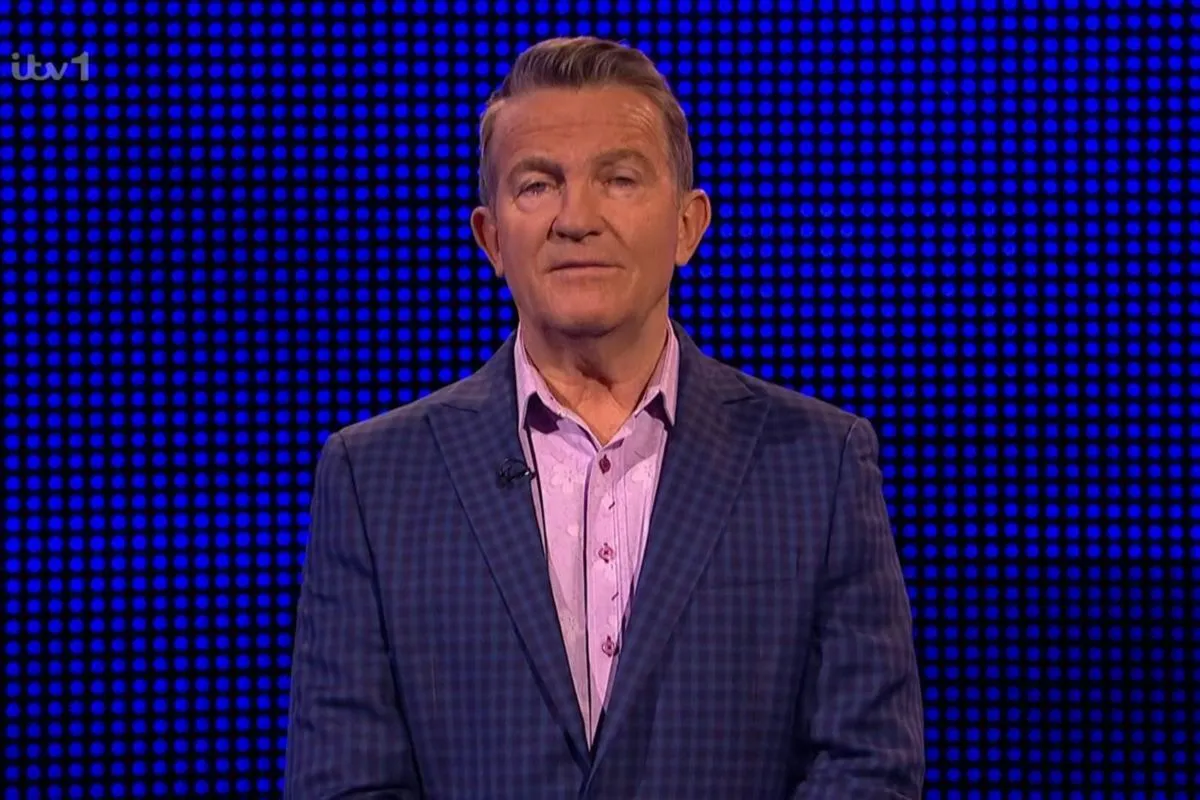 Photo: Bradley Walsh, via i2-prod.manchestereveningnews.co.uk
British celebrity game show history is a treasure trove of humiliation, and we are absolutely here for every second of it. Below, we rank the most gloriously catastrophic moments, from mild wobbles to full-scale personality collapses, in ascending order of chaos.
The Mild Wobble: "I Definitely Knew That"
Every celebrity game show appearance begins with confidence. They stride out, they exchange banter with the host, they sit down with the easy smile of someone who has absolutely done their homework. And then the first question arrives.
The Mild Wobble is characterised by a very specific facial expression — a brief, almost imperceptible flicker behind the eyes, like a computer buffering — followed by an answer delivered with slightly too much conviction to be entirely believable. "Paris," they say, when asked for the capital of France, and the audience laughs, and they laugh, and everyone pretends this was intentional.
The Mild Wobble has been spotted on virtually every British celebrity who has ever appeared on The Chase, usually during the cash-builder round, which is specifically designed to be manageable and which several very famous people have nonetheless found deeply challenging. The Chaser's face during these moments is a masterclass in professional restraint.
The Spectacular Blank: When the Mind Simply Packs Its Bags and Leaves
More dramatic than the Wobble, and considerably more entertaining, is the Spectacular Blank. This is the moment when a celebrity is asked something they almost certainly know — something they would answer correctly without hesitation in any other context — and their brain simply... doesn't.
Who Wants to Be a Millionaire has generated more Spectacular Blanks per episode than any other programme in British television history. The format is specifically engineered to produce them: the lighting, the music, the audience silence, the weight of the lifelines sitting unused in front of you. Celebrities who have delivered eloquent speeches at BAFTA, who have navigated live interviews with consummate ease, who have survived the most gruelling press junkets imaginable, have sat in that chair and completely forgotten things like how many sides a pentagon has.
The beauty of the Spectacular Blank is the recovery attempt. Watch closely and you'll see it: the slight head tilt, the pursed lips, the eyes moving to the middle distance as though the answer might be floating somewhere above the studio floor. Sometimes it works. More often, they phone a friend who is equally baffled, and the two of them have a very expensive conversation about nothing in particular before going with C.
The Wrong Answer Delivered With Absolute Conviction
This is, objectively, the finest category. The Spectacular Blank at least communicates uncertainty. The Wrong Answer Delivered With Absolute Conviction is something altogether more spectacular — it is a celebrity so thoroughly convinced of an incorrect answer that they dismiss the correct one when it's presented to them.
British game show history has blessed us with numerous examples. The celebrity who, on The Chase, argued briefly with the Chaser about an answer before the Chaser — with infinite patience — confirmed that yes, actually, they were right and the celebrity was not. The Millionaire contestant who used their Ask the Audience lifeline, received an overwhelming consensus pointing to the correct answer, and then went a different way entirely because they "had a feeling". The feeling was wrong.
What makes this category so deeply, profoundly watchable is the host's reaction. The professional game show host has spent years perfecting the art of communicating "you have made a catastrophic error" while maintaining the facial expression of someone who is absolutely delighted to be there. It is a performance worthy of any BAFTA.
The Panicked Phone-a-Friend: A Portrait of Desperation
The phone-a-friend lifeline is, in theory, a safety net. In practice, when deployed by a panicking celebrity in the later rounds of Millionaire, it is more of a shared ordeal — a two-person crisis conducted in front of millions.
The most memorable celebrity phone-a-friends share certain characteristics. There is the opening exchange, in which the celebrity attempts to explain the question while simultaneously conveying the urgency of the situation and managing the clock. There is the friend's response, which ranges from cheerfully confident ("Oh, it's definitely B!") to deeply unhelpful ("Ooh, I'm not sure, what do you think?"). And there is the terrible final moment, when the celebrity must decide whether to trust their friend, trust their instinct, or walk away — and they have approximately fifteen seconds to do it.
Some of the most extraordinary phone-a-friend moments have involved the friend being equally, magnificently stumped, leading to thirty seconds of two very famous people audibly panicking together while a nation watches from the sofa. It is, in the best possible way, television gold.
The Full Personality Collapse: A Category of Its Own
And then there is the rarest and most precious category of all: the moment when a celebrity doesn't just get an answer wrong, or blank, or phone a confused friend — but when the entire enterprise of being a composed, professional public figure simply gives way under the pressure.
We've seen tears. We've seen laughter that crossed the line from nervous to slightly unhinged. We've seen celebrities become so convinced that the audience is trying to mislead them that they've essentially accused six hundred strangers of orchestrating a conspiracy. We've seen a very famous person on The Weakest Link — a show specifically designed to be hostile — visibly shrink to approximately half their normal size under the combined gaze of Anne Robinson and a studio audience that had scented blood.
The Full Personality Collapse is not to be mocked, exactly — it's genuinely quite stressful to be wrong on television — but it is absolutely to be celebrated. Because what game shows have always understood, and what makes them so brilliantly, enduringly watchable, is that fame doesn't protect you from anything. The klaxon sounds, the clock ticks, and everyone is equal.
The Glorious Takeaway
Britain's celebrity game show canon is, at its heart, a great leveller. Directors, pop stars, actors, athletes, reality television royalty — all of them have sat under those lights, faced those questions, and discovered that there is nowhere to hide when the music stops and the host is looking at you expectantly.
And the nation, sprawled across its sofas with a cup of tea and a packet of biscuits, loves them all the more for it.
Because there is nothing — truly, absolutely nothing — more reassuring than watching someone extremely famous not know the capital of Australia. (It's Canberra, by the way. Not Sydney. Never Sydney. You'd be amazed.)