Dragged, Cancelled & Absolutely Thriving: The British Stars Who Turned Public Pile-Ons Into the Ultimate Glow-Up

Photo: British celebrity confident interview television studio comeback smiling, via c8.alamy.com
There is a particular type of British cultural phenomenon that has no real equivalent anywhere else in the world: the celebrity who gets absolutely, comprehensively dragged by the internet, disappears for precisely the right amount of time, and then resurfaces — tanned, composed, and somehow more popular than before — while their critics are left staring at their keyboards wondering what just happened.
We are obsessed with it. We always have been. The British public has an almost constitutional relationship with the redemption arc: we build them up, we knock them down, and then — if they play it right — we welcome them back with an enthusiasm that borders on the apologetic. What follows is a celebration of the stars who read the room, took their lumps, and came back swinging.
The Art of the Strategic Disappearance
The first and most critical move in any successful British celebrity comeback is knowing when to say absolutely nothing.
This sounds simple. It is, in practice, extraordinarily difficult. When Twitter (now X, though nobody really calls it that) is on fire with your name, when every tabloid front page features an unflattering photograph and a headline that would make your mother cry, the instinct is to respond. To explain. To defend. To post a lengthy Notes app statement at 11pm that begins with "I've been doing a lot of reflecting" and ends with something about mental health that nobody quite believes.
The celebrities who survive cancellation in Britain have largely learned to resist this instinct. The strategic disappearance — a clean exit from social media, a brief statement from a publicist confirming that the star is "taking time to focus on their family", and then absolute silence — is almost always more effective than engagement. It denies the story oxygen. It allows the news cycle to move on. And it creates, paradoxically, a kind of mystique: we start to wonder where they are, how they're doing, whether they're okay. Concern replaces contempt remarkably quickly.
The timing of the return is everything. Too soon and it looks defensive; too late and the conversation has moved on without you. The sweet spot — somewhere between six weeks and four months, depending on the severity of the original offence — is where the magic happens.
The Perfectly Timed Interview: A Masterclass in Narrative Control
When the silence ends, it must end correctly. And in Britain, there is really only one acceptable venue for the celebrity rehabilitation interview: a sofa, a sympathetic host, and a cup of tea that nobody actually drinks.
The This Morning sofa has absorbed more celebrity confessionals than any therapist in the country. The Jonathan Ross Show has provided more second-chance platforms than a trampolining centre. And Desert Island Discs, which operates at a frequency of quiet, Radio 4-adjacent thoughtfulness that the British public trusts implicitly, has rehabilitated more reputations than any PR firm could ever claim credit for.
 Photo: Desert Island Discs, via production.listennotes.com
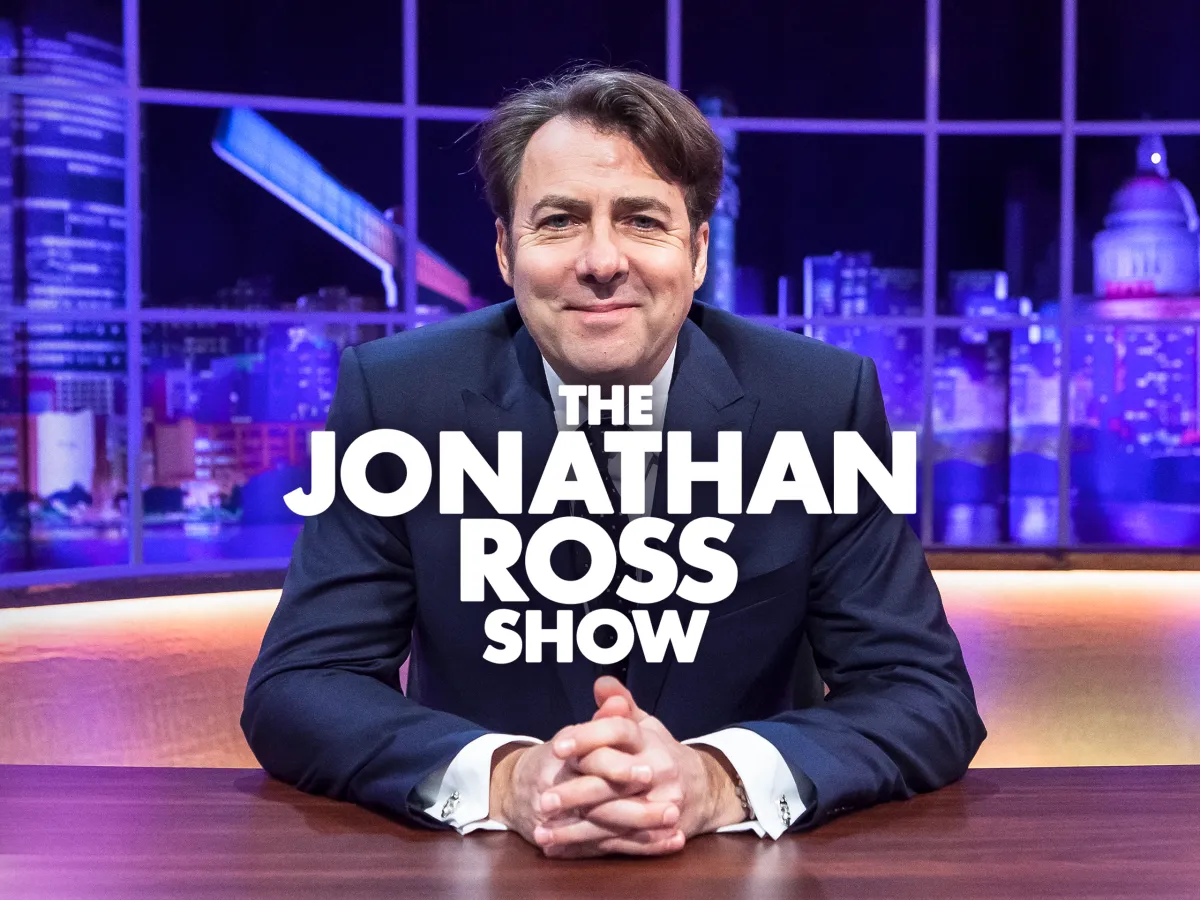 Photo: Jonathan Ross Show, via m.media-amazon.com
 Photo: This Morning, via deadline.com
The formula is consistent: arrive looking slightly more human than usual (a less polished outfit, slightly messier hair — approachable, not dishevelled), acknowledge the situation with a combination of honesty and brevity that suggests genuine reflection without excessive self-flagellation, and then pivot — gracefully, carefully — to whatever comes next. A new project. A charity partnership. A cookbook, ideally, because the British public has an inexplicable fondness for forgiving people who publish cookbooks.
The celebrities who get this wrong do so by over-explaining. The public, it turns out, doesn't want a full account. It wants acknowledgement, a flash of vulnerability, and then something to move on to. Give them all three in the right order and the front pages turn in your favour within a fortnight.
The Social Media Clap-Back: High Risk, Occasionally Spectacular Reward
Not every British celebrity redemption arc follows the quiet, dignified route. Some take the considerably more dangerous path of the public clap-back — and when it lands, it lands magnificently.
The successful celebrity clap-back in the social media era requires several things to align simultaneously: the original criticism must be demonstrably unfair, the celebrity's response must be witty rather than defensive, and the timing must be impeccable. Get any of these wrong and you've simply added fuel to a fire that was almost out.
Get them right, however, and you can generate more goodwill in a single tweet than six months of strategic silence. Britain loves nothing more than a celebrity who can take a punch and deliver a better one back — provided they do it with a degree of self-awareness that signals they're in on the joke. The stars who've managed this have generally done so by being funnier than their critics expected, or by exposing a hypocrisy in the pile-on that the public hadn't quite noticed until it was pointed out.
The key distinction — and it is absolutely crucial — is between punching back and punching down. A clap-back aimed at the mob is brave. A clap-back aimed at a specific individual critic almost always backfires. The British public will forgive a lot, but it will not forgive someone who appears to be bullying a civilian with a Twitter account and forty-three followers.
The Surprise TV Comeback: When the Casting Decision Becomes the Story
Perhaps the most satisfying form of British celebrity redemption is the surprise television comeback — specifically, the casting decision so unexpected and so bold that it immediately reframes the entire narrative around a star.
There is a long tradition of British broadcasters taking a calculated risk on a name that conventional wisdom had written off, and being proven comprehensively correct. The cancelled celebrity who turns up as a judge on a prime-time talent show. The star who everyone assumed was finished and who then delivers a performance in a prestige drama that has critics scrambling to revise their assessments. The comedian who spent a year being publicly terrible and then hosted a charity special so perfectly pitched that it reminded everyone why they'd liked them in the first place.
These moments work because they shift the conversation from what the celebrity did to what the celebrity is doing. The public, given something new and genuinely good to engage with, is remarkably willing to update its opinion. We are not, despite our reputation, an unforgiving nation. We are simply an easily distracted one.
The Charity Card: Deployed With Care
A note, in the spirit of full disclosure, on the charity pivot — because it is a real and frequently observed phenomenon in British celebrity comeback culture, and it deserves honest assessment.
When deployed cynically, the sudden and conspicuous embrace of a charitable cause following a public scandal is transparent enough to make things considerably worse. The British public has finely calibrated detectors for insincerity, and a celebrity who has never previously mentioned a cause suddenly fronting a campaign for it in the weeks after a tabloid scandal is going to generate precisely the kind of coverage nobody wants.
When deployed authentically, however — when a celebrity has a genuine pre-existing connection to a cause, or uses the period of public criticism to redirect their energy somewhere genuinely meaningful — the effect can be transformative. It demonstrates character. It gives the public something to respect. And it shifts the terms of the conversation in a way that is very difficult to argue with.
The stars who've managed this transition most effectively are the ones who seem, through the chaos, to have actually learned something. And while cynicism is always available as a lens, it's worth acknowledging that sometimes — just sometimes — the redemption arc is real.
What Britain's Best Comebacks Have in Common
Strip away the specifics — the particular scandal, the chosen platform, the timing of the return — and Britain's most successful celebrity redemption arcs share a handful of qualities.
Patience. Genuine self-awareness, or at least a very convincing performance of it. A publicist who is worth every penny of their retainer. And, crucially, something new to offer: a project, a performance, a perspective that gives the public a reason to re-engage rather than simply relitigating the past.
The British celebrity cancellation cycle is, in many ways, a story about what we value. We cancel people who seem arrogant, or dishonest, or contemptuous of the audience that made them. We welcome back people who demonstrate — convincingly, consistently — that they understand why we were angry and that they've done something with that understanding.
It is not a perfect system. But it is, in its gloriously chaotic, tabloid-fuelled, sofa-interview-mediated way, a very British one. And we wouldn't have it any other way.